2.1 ETIQUETTES
Etiquette in simpler words is defined as good behaviour which distinguishes human beings from animals. Respect, kindness and consideration form the basis of good manners and good citizenship. Etiquette becomes the language of manners. Rules of etiquette cover behaviour in talking, acting, living and moving and in other words, every type of interaction in every situation.
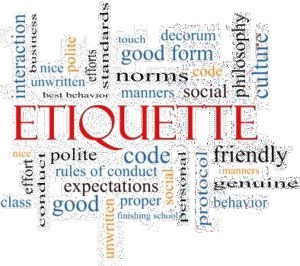
Etiquette is defined as the formal manners and rules that are followed in social or professional settings.
The foundation of proper etiquette is behaviour that is accepted as gracious and polite in social, professional and family situations. Good manners can mean the difference between success and failure in many aspects of life. Knowing and exhibiting proper etiquette is essential to any civilization.
Example: The rules of writing an SMS (brief message and simple words)
2.1.1 Importance of etiquettes
Etiquette is a term that refers to the conventions and norms of social behaviour. Following etiquettes is very important in an individual’s life whether it be in social background or a professional one.
Given below is the importance of etiquettes:
® Differentiates you from others in a competitive job market.
® Enables you to be confident in a variety of settings with a variety of people.
® Honours commitment to excellence and quality.
® Modifies distracting behaviours and develops admired conduct.
® Creates a good brand image.
2.1.2 Types of etiquettes
Etiquette/manners are the conventional rules that regulate social behaviour. They govern being considerate of others, table manners, correspondence, online behaviour, being a wedding guest, staying overnight outside of one’s home, and getting along with co-workers. Etiquettes divided into two. They are:
® Social etiquettes
® Business etiquettes
2.2 SOCIAL ETIQUETTES
Social etiquette is a code of behaviour that describes expectations for social behaviour according to contemporary conventional norms within a society, social class or groups.
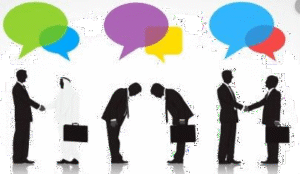
It helps us show respect and consideration to others and makes others glad that we are with them. Without proper manners and etiquette, the customs of polite society would soon disappear and we would act more like animals and less like people. Aggressiveness and an “every man for him-self” attitude would take the lead.
The different types of social etiquettes are:
® Social media etiquettes.
® Visitor etiquettes.
2.2.1 Social media etiquettes
Social media involves websites and applications that enable users to create and share content or to participate in social networking. Social media etiquettes are all about how you should conduct yourself while engaging across the social web.
Having proper etiquette on the social web means being aware of your audience, understanding how they communicate and being a valuable, welcome and positive contributor to the community.
Do’s and Don’ts
Do’s |
Don’ts |
|
Read every message before clicking “send.” |
Doesn’t click “send” when you’re tired or emotional. Especially avoid sending messages when you’re angry. Once posted, a message it is difficult or impossible to take back. |
|
Introduce yourself whenever you “friend” someone, “follow” someone, or join a conversation. |
Don’t post embarrassing or incriminating photos or video to social-media sites at any time. Again, once posted, they may be out of your control. |
|
Comment on and promote other people’s work. |
Don’t bully or gang up on people. |
|
Strive for honesty and transparency in your interactions. |
Don’t feel obligated to “follow” or “friend” someone. Likewise, don’t make others feel obligated to “follow” or “friend” you. |
- Visitor etiquettes
An etiquette book will tell you to bring a little gift when you are a dinner guest in someone’s house, especially if it is your first visit you know what is expected of you and your gift shows respect and gratitude.
Do and Don’ts
Do’s |
Don’ts |
|
Do reply promptly. |
Don’t be late. |
|
Do honour the couple’s wishes. |
Don’t assume partners are invited. |
|
Do be respectful. |
Don’t play on your phone. |
|
Do dress appropriately. |
Don’t rush off. |
|
Do send a polite gift. |
|
-
BUSINESS ETIQUETTES
Business etiquette is a set of rules that govern the way people interact with one another in business, with customers, suppliers, with inside or outside bodies. It is all about conveying the right image and behaving in an appropriate way.
Do and Don’ts
Do’s |
Don’ts |
|
Do pay attention to names. |
Don’t refuse food or drinks offered to you during business meeting. |
|
Greet everyone. |
Don’t peep into other’s cubicles and workstations. |
|
Be polite. |
Don’t open anyone else’s notepads registers or files without his/her permission. |
|
Show respect. |
|
|
Always be on time. |
|
|
Dress appropriately. |
|
The different types of business etiquettes are:
® Dressing etiquettes
® Dining etiquettes
® Meeting etiquettes
® Telephone etiquettes
® Email etiquettes
® Short messages/SMS etiquettes
® Customer service etiquettes
® Business party etiquettes
2.3.1 Dressing etiquettes
A dress code is a set of rules, often written, with regards to clothing.
Do and Don’ts
Do’s |
Don’ts |
|
Stick with business casual clothes: never scare off potential customers. |
Don’t show too much of your body. |
|
Choosing a decent scarf to add personality to your outfit. |
Don’t wearing sleeveless or low-cut blouse. |
|
If you have any tattoos, hide them inside the clothes to keep them out-of-sight. |
Don’t wear street-styled clothes baggy jeans, sneakers, flip-flops, rumpled clothes. |
|
Wearing hosiery to cover your legs and stay professional. |
Don’t use sport shoes. |
|
|
Don’t wear so many accessories. |
- Dining etiquettes
Table manners are the rules used while eating, which may also include the use of utensils. Table manners are the rules used while eating, which may also include the use of utensils. Different cultures observe different rules for table manners. Each family or group sets its own standards for how strictly these rules are to be used.
Do and Don’ts
Do’s |
Don’ts |
|
Sit properly (and straight) in you chair. |
Don’t talk about gross things. |
|
Talk about pleasant things. |
Don’t ask for seconds before others have had firsts. |
|
Place your napkin on your lap. |
Don’t take more than your fair share. |
|
Wait until everyone is seated before you start eating. |
Don’t overload your fork or plate. |
|
Watch others, or ask, if you’re not sure how to eat something. |
Don’t chew with your mouth open. |
|
Ask someone to pass the food, rather than reach across the table. |
Don’t talk with your mouth full. |
- Meeting Etiquette
Meeting etiquettes are the codes of conduct, while attending meetings. Meeting etiquette refers to codes of behaviour an individual ought to follow while attending meetings and discussions at the workplace.
Meetings are an important part of corporates where employees sit together on a common platform, exchange their views and opinions and reach to a solution benefitting the organization and mutually acceptable to all.
Do and Don’ts
Do’s |
Don’ts |
|
Listen actively to what others have to say. |
Don’t talk constantly or chatter, even if it is whispering it can be extremely distracting for the speaker, rude to everyone and you may miss important information. |
|
Drink coffee, water or other non-alcoholic drinks. It is acceptable to bring drinks into a meeting. |
Don’t eat smelly or crunchy food. It is never a good idea to eat during a meeting unless food/snacks are provided. |
|
Take notes to help you concentrate and process information better. |
Don’t check your phone during a meeting. Your phone should be turned off or put on silent. Looking at your phone during a meeting while someone else is talking is extremely rude. This also applies to laptops. |
|
Be prepared by reading the agenda beforehand and write down what things you may |
Don’t be late as it is very distracting to all participants and disrupts the flow of the |
|
want to address during the meeting. |
meeting. Being on time shows respect. |
|
Ask questions and jot down questions during the meeting but make sure you ask them at the appropriate time. |
Don’t interrupt while someone else is talking and interrupt them. Wait until they are finished speaking to raise your own concerns. |
|
Dress appropriately for the meeting that you are attending. If this is a work meeting the usual rule of thumb is business attire unless specified otherwise. |
|
- Telephone etiquette
It means being respectful to the person you are talking with, showing consideration for the other person’s limitations, allowing that person time to speak, communicating clearly and much more.
Do and Don’ts
Do’s |
Don’ts |
|
Be patient and helpful. |
Do not eat or drink while you are on telephone duty. |
|
Respond clearly with “yes” or “no” when speaking. |
Do not use slang words or Poor Language. |
|
If you are answering a call on behalf of your team member please mention to the caller & try if you can assist them on the query. |
Never address an unfamiliar caller by his or her first name. |
|
Note down the caller’s number so that a concerned user can make a call back on the query for resolution. |
Never snap back or act rude to the caller. |
|
try if you can assist them on the query. |
Never leave the person on hold for more than a few seconds or they may become upset and hang up. |
- Email etiquette
It refers to the principles of behaviour that one should use when writing or answering email messages. It is also known as the code of conduct for email communication
Do and Don’ts
Do’s |
Don’ts |
|
Do have a clear subject line. |
Don’t forget your signature. |
|
Do use a professional salutation. |
Don’t use humour. |
|
Do proofread your message. |
Don’t assume the recipient knows what you are talking about. |
|
Do reply to all emails. |
Don’t shoot from the lip. |
- SMS Etiquettes
It refers to the principles of behaviour that one should use when messaging
Do and Don’ts
Do’s |
Don’ts |
|
Do reply promptly. |
Don’t text during inappropriate moments. . |
|
Do keep texts short. |
Don’t text sensitive news. |
|
Do re-read your texts before sending. |
Don’t send too many attachments. |
|
Do use proper grammar. |
Don’t forget to double-check the recipient. |
-
Customer service etiquettes
Etiquette in customer service is a conduct that is acceptable to customers and behaviour that encompasses the expectations customers have when doing business with the company.
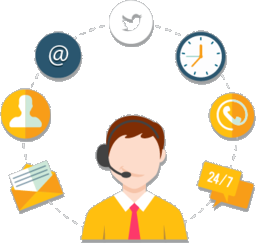
Etiquette is the soothing balm and oiling that the business machinery requires. It allows interactions, meetings and customer relationships to run smoothly and make businesses work without bottlenecks. Etiquette in customer service will calm irate customers, build the basis of trust and loyalty and foster mutually respectful relationships between the company and its customers.
Etiquette in customer service can add tremendous value to your company’s image and a lack of it can strip your company’s reputation almost immediately. Etiquette training for staff must be an investment. The payoffs are many and guide employee behaviour even outside the office premises. People who know how to behave in social interactions appear more confident and are easily liked. As the average age of staff is getting lower, it is even more important to fit in to the social accepted norms and customer service behaviour that long time and older customers find acceptable
Do and Don’ts
|
Do’s |
Don’ts |
|
Respect your customer – customer service is all about making customers feel valuable and important. |
Don’t make things overly complicated – never underestimate the inexperience of your customers. |
|
Be honest – be fair about prices, additional fees and extra charges. Establish clear return and refund policies. Deliver on time, or even earlier. |
Don’t be indifferent – indifference kills customer service. Take care and make any customer’s problem your own problem. |
|
Take responsibility -in customer service it implies that you are ready to take responsibility for the problems or negative experiences that customers are having with your company, products or services. |
Don’t treat customers as transactions – don’t treat people coming to your website or office as one-time transaction, do all your best to build strong and long- lasting relationship. |
|
Provide priority to the customer – improve customer service by finding ways to meet most customer needs promptly and providing some level of service even when you cannot meet their needs. |
Don’t ignore customer feedback – make sure you listen to your customers. |
|
Express your gratitude – saying “thank you”. |
Don’t be afraid of complaints – complaints are inevitable, so don’t discourage them. |
-
Business party etiquettes
Business party etiquette teaches an individual how to behave at office parties, dinners and get together.
Do and Don’ts
|
Do’s |
Don’ts |
|
Dress appropriately. |
Don’t bring an extra guest. |
|
Do arrive and depart on time. |
Don’t talk shop exclusively. |
|
Watch body language. |
Don’t discuss office gossip. |
|
|
Don’t hide in the corner. |
Etiquette, the complex network of rules that govern good behaviour and our social and business interactions, is always evolving and changing as society changes. It reflects our cultural norms, generally accepted ethical codes, and the rules of various groups we belong to.